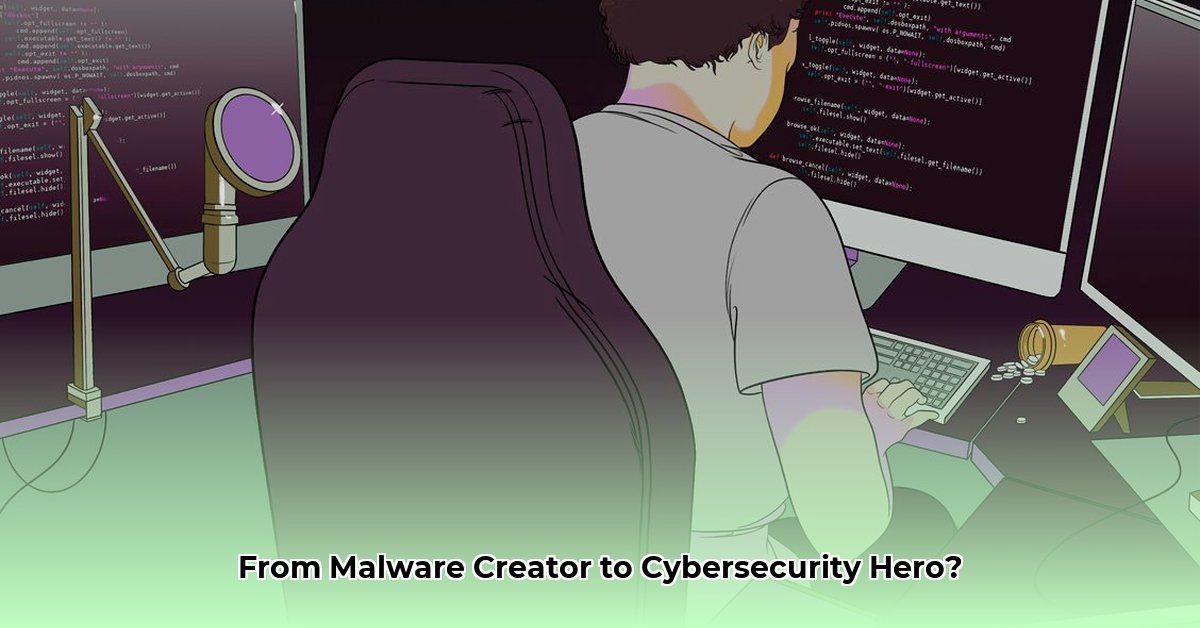
Marcus Hutchins. The name might not be instantly recognizable to everyone, but within the cybersecurity world, it resonates with a complex mix of awe and caution. He's a compelling case study—a testament to the multifaceted nature of human potential and the blurry lines between good and evil in the digital realm. His story isn't primarily about his net worth, though that's a relevant detail; it's a narrative of a young man's journey from creating malware to becoming an unlikely hero, only to find himself ensnared in a web of legal complexities. It's a story about second chances, ethical dilemmas, and the enduring impact of one individual's actions on the global cybersecurity landscape.
Early in his career, Hutchins honed his technical skills, unfortunately, initially applying them to the creation of malware. He developed tools like the Kronos banking Trojan and the UPAS Kit, sophisticated software designed to steal financial information. This wasn't childish experimentation; these were professional-grade tools capable of causing significant financial damage. This experience, however regrettable, laid the foundation for his future contributions to the field—both positive and negative. His intimate knowledge of the inner workings of malware would later prove crucial.
Then came 2017 and the WannaCry ransomware attack. This wasn't a localized incident; it was a global crisis, crippling hospitals, businesses, and critical infrastructure worldwide. The world watched, terrified of the far-reaching consequences. Suddenly, a figure calling themselves "MalwareTech" emerged online, seemingly out of nowhere, and took the lead in stopping the attack. This mysterious figure was revealed to be Marcus Hutchins.
Leveraging his deep understanding of malware—the very tools he had previously helped create—Hutchins identified and exploited a "kill switch," a hidden weakness in the WannaCry code. A single, decisive action halted the ransomware’s spread, transforming him almost instantly from an obscure figure to a global cybersecurity hero. News outlets lauded him as a genius, governments expressed their gratitude, and a collective sigh of relief swept the globe. But the narrative took a sharp turn.
Hutchins' past caught up with him, leading to legal repercussions for his earlier creation of malware. The ensuing legal battle highlighted the inherent ethical and legal ambiguities within cybersecurity. Did his heroic intervention absolve his past actions? Could someone who had previously created destructive tools be redeemed by preventing a global catastrophe? The courts grappled with these multifaceted questions, ultimately delivering a sentence significantly lighter than many anticipated. This fueled considerable public debate surrounding the balance between punishment and rehabilitation.
What about Hutchins' net worth? While precise figures remain elusive due to the complexity of his income streams, it's not the central theme of his story. His financial situation is certainly impacted by the legal proceedings and his career choices, but the true intrigue lies in the ethical and legal drama that unfolded.
Hutchins' case ignited a critical conversation. It forced the cybersecurity industry, law enforcement, and policymakers to reassess their approaches to cybercrime. How do we balance punishment with the potential for rehabilitation? How do we encourage individuals to use their skills for good while deterring them from malicious intent? These questions continue to shape the industry's evolution.
The legal implications also sparked crucial discussions. Should past transgressions be completely overshadowed by later acts of heroism? The answer remains complex and nuanced. The continuing debate reflects the inherent difficulties in navigating the ever-evolving ethical landscape of cybersecurity. This complexity highlights the need for clearer legal frameworks and a more nuanced approach to prosecuting cybercrimes. The current system struggles to effectively address individuals who have both created and ultimately mitigated significant harm.
Key Takeaways:
- The ethical line between malicious hacking and ethical cybersecurity research is frequently blurred, underscoring the urgent need for clear guidelines and legal frameworks.
- Hutchins' journey exemplifies the complexities faced by cybersecurity professionals. His story is a cautionary tale, but also a testament to the potential for redemption.
- A strong emphasis on defensive cybersecurity practices, alongside robust ethical training and legal clarity, is essential for responsible innovation in the field.
In conclusion, Marcus Hutchins' story transcends the mere quantification of his net worth. It's a compelling narrative that delves into the ethical and legal intricacies of cybersecurity, highlighting the complexities of human nature and the potential for both remarkable contributions and regrettable mistakes. This case continues to resonate, prompting crucial discussions about ethics, justice, and the very nature of redemption in the ever-evolving digital landscape.